MyTBrain’s Origin Story
MyTBrain was born out of frustration. Years ago I was engaging young people across services at a small charity in Yorkshire, and kept noticing the evidence-based resources we had just didn't look or feel good, or land with youth. So I drew my own, taking the theory and making it something young people could actually engage with, running them in CAMH CBT groups for anxiety, twelve kids at a time. It worked (of course, because of other factors too). The sessions felt less clinical and more like a community, and it's where the love of turning theory into visuals that actually make a difference started. I began posting the drawings and animations on Instagram, which grew into training and resource packs for schools through my CAMH education link role. That's how MyTBrain began.
I didn't grow up understanding child rights, I went under the radar as a kid. I didn't understand I had a brain with needs, or know anything about mental health, I was angry and acted out often. It took one or two incredibly patient people to nurture me to a point where I realised I needed help, and needed to understand my brain. That's where the pull came from: I wanted every young person to reach that understanding long before adulthood.
It started to click properly through smaller roles across thirteen years, especially as a young carer's worker, where Annie and I led our young carers in writing a charter for Kirklees schools that won them real allowances, through a young carers card which offered adjustments throughout their day. After my time leading on different projects there, I took a job at Anna Freud working solely on youth participation, and learned the methodology behind lived experience and how to use it across the systems that affect young people. A trip to Albania to facilitate a session for European youth on involvement in mental health is where the idea for MyTBrain properly formed, not just offering young people support and knowledge, but a pathway into shaping the systems around them using their own lived experience.
The thread running through all of my career turned out to be quality of care, something I didn't even have a name for until I ended up at WHO and was told that's literally what our office is for. It felt like I'd been working toward this the whole time. That's the organisation we are building: youth voice at its centre, and a powerhouse for change across the world, benefiting the young people and systems who come after us.
— Hannah Brunskill, Founder & CEO, MyTBrain CIC.
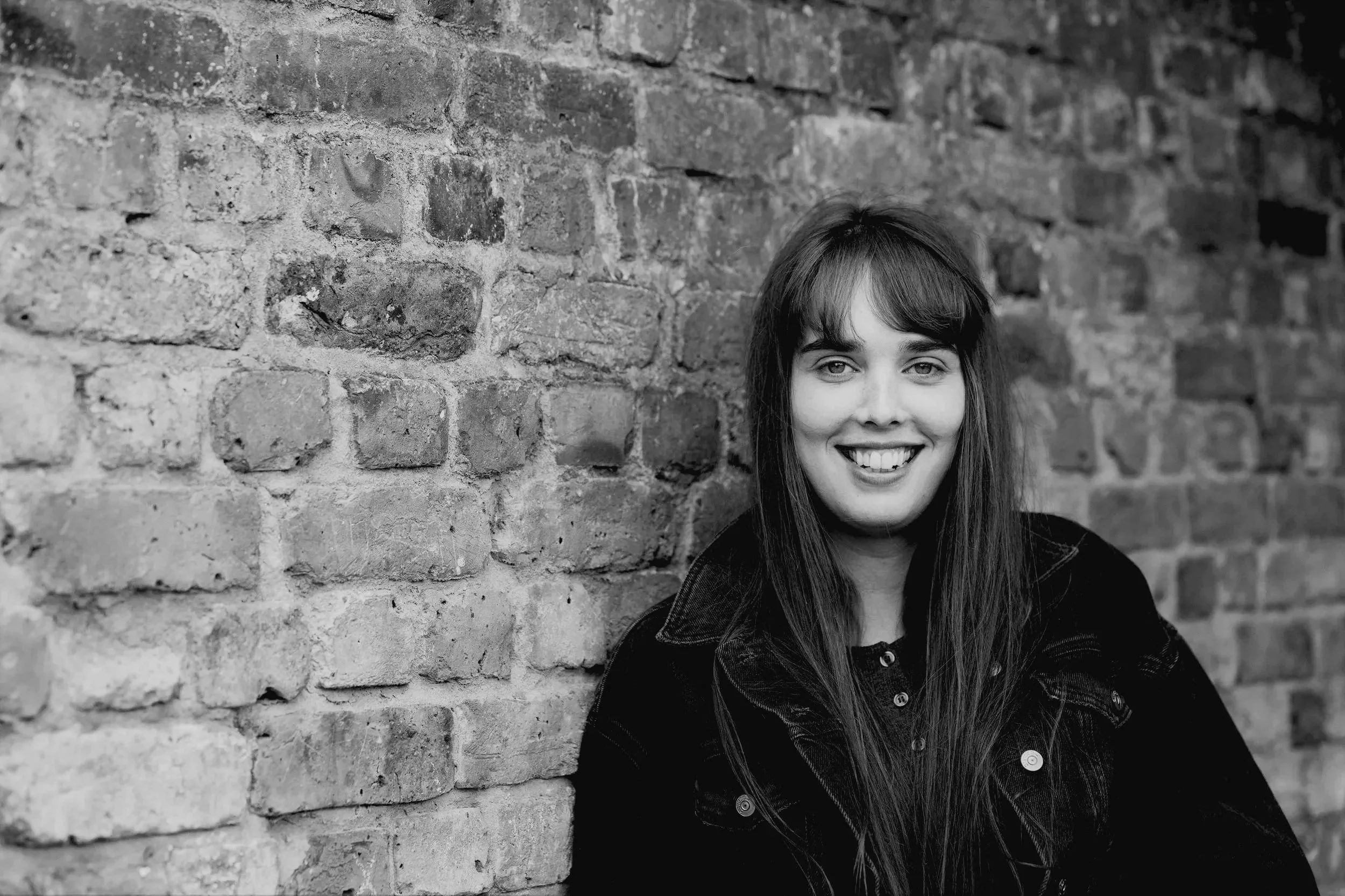
Meet the Team
-
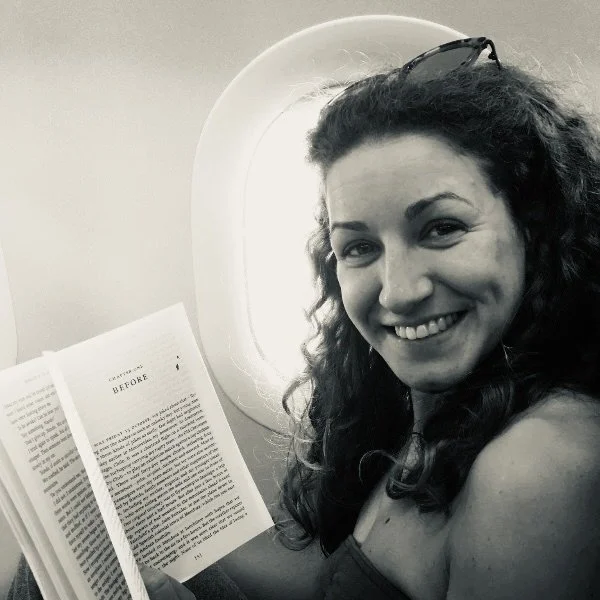
Annie Monaghan
COO - Australian Operations
Annie is a specialist youth worker with 15+ years' experience working with vulnerable young people. She started out leading a youth club in Moston, Manchester, before spending many years leading National Lottery and Children in Need funded projects. She has excellent project management skills.She holds a Master's in Child and Adolescent Mental Health and Wellbeing from Edge Hill University. WHO brought her in for her service evaluation expertise to work on the clinical audit tool for mental health services and governments across Europe.
She's now based in New South Wales, working in drug services and running operations for the Australian side of MyTBrain.
-
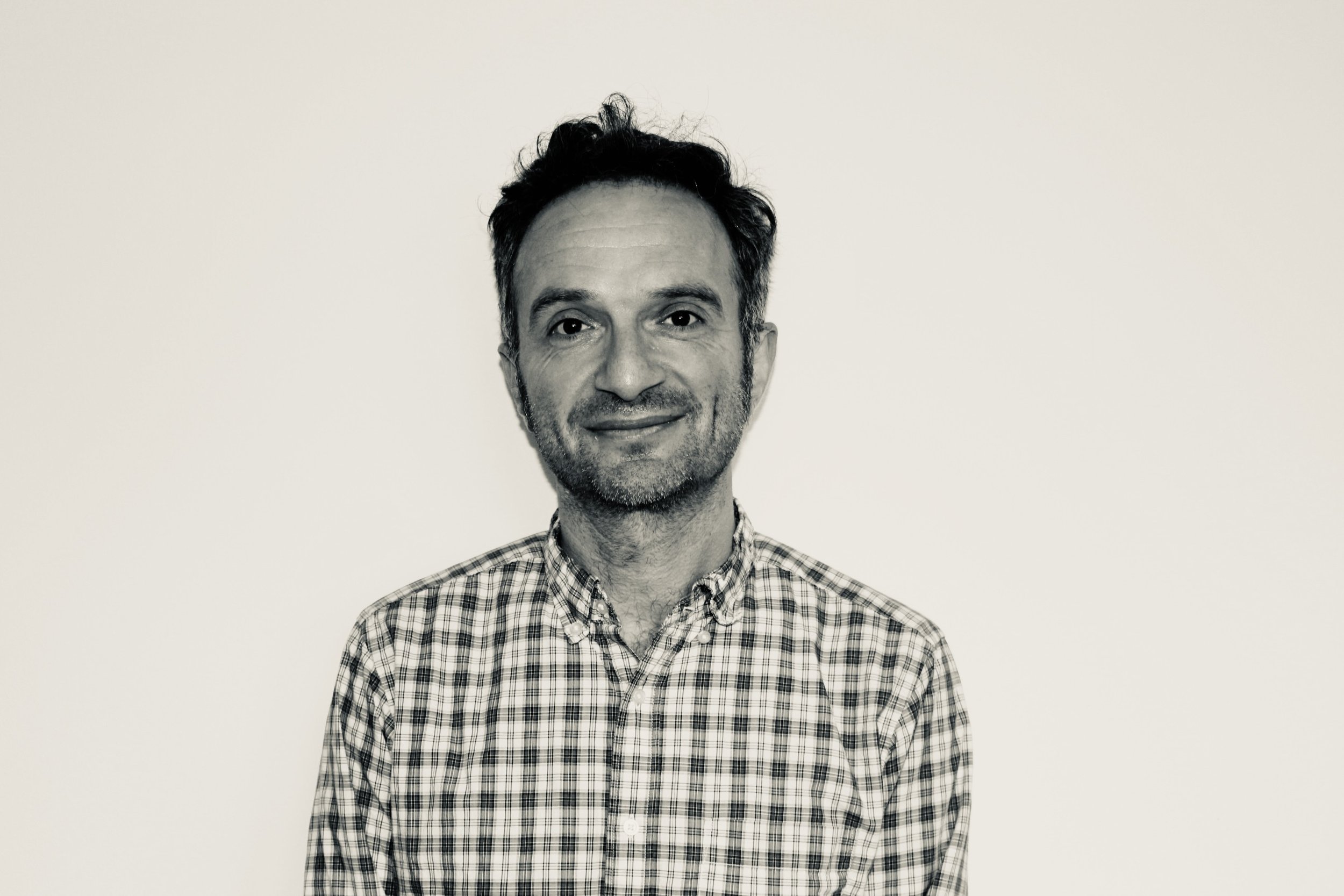
Dr Saul Hillman
Director of Neurodiversity & Research
Saul is a Senior Research Fellow at the Anna Freud Centre and Honorary Lecturer in Psychology at UCL, with over 30 years as an academic, researcher and clinician. His research has focused on children and young people experiencing adversity, including studies with children in care, adopted children, and neurodivergent young people, with participation and lived experience running through all of it. He's also Lead Trainer for the Story Stem Assessment Profile (SSAP), having worked on its development, research and training for over 25 years, and supervises postgraduate students in research and clinical practice. Alongside his academic work, Saul is an integrative counsellor and clinical hypnotherapist. His interest in neurodiversity comes from both his professional work and his own family's lived experience, and he writes accessible material that brings research, clinical knowledge and lived experience together for young people and the people supporting them.